Backpack Safety for Kids: Tips to Prevent Back Pain and Injuries
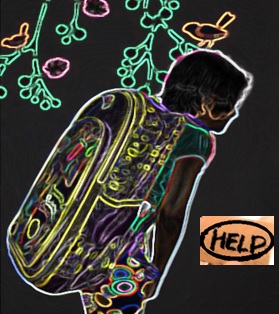
Backpacks are a practical and popular way for children and adolescents to carry school supplies. When worn correctly, backpacks effectively distribute weight across some of the body's strongest muscles. However, carrying a backpack that is too heavy or worn improperly can lead to severe posture problems, shoulder strain, and chronic back pain in children.
Health Problems Caused by Heavy Backpacks
Carrying an overloaded or poorly fitted backpack can affect a child’s growing spine and posture in several ways:
- Spinal Compression & Posture Issues: Placing a heavy pack on the shoulders pulls a child backward. To compensate, children often lean forward at the hips or arch their backs unnaturally, compressing the spine and causing neck, shoulder, and back pain.
- Nerve Compression & Poor Circulation: Narrow or tight straps can dig deeply into the shoulders, interfering with circulation and pressing on nerves. This often leads to tingling, numbness, or weakness in the arms and hands.
- Increased Risk of Falls: Oversized or bulky packs make it harder for children to maintain balance. Kids can easily trip, lose balance, or accidentally strike others when turning in tight spaces.
How to Choose a Safe Backpack for Your Child
Selecting the right backpack is the first step in protecting your child's spine. Look for these essential features when shopping:
- Proper Sizing: The backpack should match your child's body size. An ideal pack is never wider than the child's torso and should not hang more than 2 inches below the waistline.
- Lightweight Material: Choose lightweight fabrics like nylon or canvas. Avoid heavy materials like leather, which add unnecessary weight before supplies are even packed.
- Wide, Padded Shoulder Straps: Thick, padded straps distribute weight evenly across the shoulders without digging into the skin.
- Padded Back Support: A padded back panel increases comfort and protects children from sharp edges like rulers, pencils, or hardbook corners inside the bag.
- Multiple Compartments & Compression Straps: Extra pockets and side straps help distribute the load evenly throughout the bag and keep items secure.
- Waist or Chest Straps: Using a waist strap transfers some of the load to the pelvis, holding the pack close to the body and reducing strain on the back.
Safe and Sensible Backpack Usage Tips
Buying the right bag is only half the battle—how your child uses it matters just as much. Teach your child these safe habits:
- Pack Light: A child's loaded backpack should never weigh more than 10% to 15% of their total body weight.
- Use Both Straps: Always wear both shoulder straps rather than slinging the bag over one shoulder. Adjust the straps so the pack fits snugly against the back.
- Organize Smartly: Place the heaviest books and items low and closest to the center of the child's back to keep the center of gravity stable.
- Carry Only Necessities: Encourage your child to leave unnecessary items at home or in their school locker.
- Lift with the Knees: When picking up a heavy backpack, children should bend at the knees rather than bending over at the waist.
- Strengthen Back Muscles: Encourage regular physical activity and back-strengthening exercises to build the core and back muscles needed to support daily school loads.
Conclusion
Backpack safety plays a critical role in preserving your child’s spinal health and posture. By picking a lightweight, properly fitted backpack and teaching smart packing habits, you can protect your child from unnecessary back pain and injury throughout the school year.
References
https://www.nsc.org/home-safety/safety-topics/child-safety/backpacks https://orthoinfo.aaos.org/en/staying-healthy/backpack-safety/ https://www.safety.com/backpack-safety https://kidshealth.org/en/parents/backpack.html?WT.ac=ctg