Can Improper Swaddling Increase the Risk of DDH?
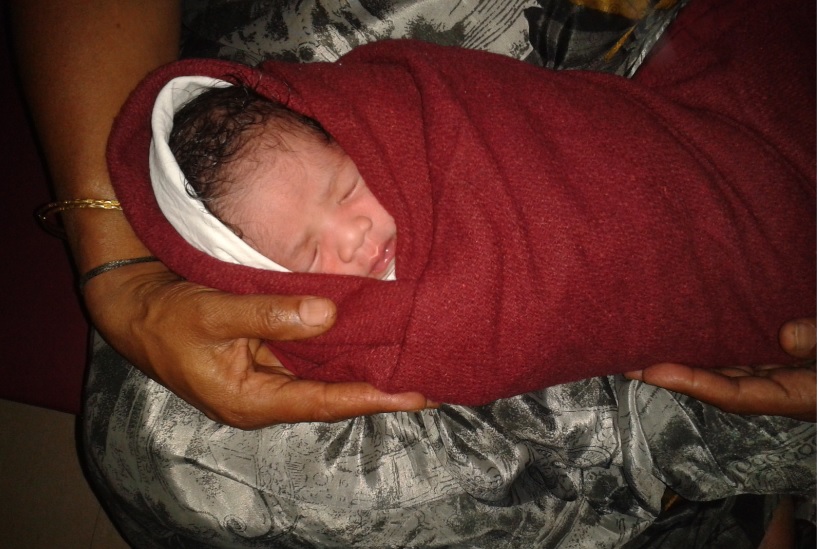
Wrapping or swaddling a newborn helps babies feel secure and comfortable, often easing them to sleep and establishing regular sleep routines. However, improper swaddling—such as wrapping a baby tightly with their legs straight down—can hinder normal hip joint development. In fact, tight swaddling significantly increases the risk of Developmental Dysplasia of the Hip (DDH).
The Link Between Swaddling and Hip Dysplasia
In the womb, a baby’s hips naturally rest in a bent, outward position. This position supports normal hip socket development. Although many newborns have loose hip ligaments that tighten naturally during the first few months, tight swaddling forces the legs together and straight. This unnatural posture can pull the hip joint out of its socket, causing instability or dislocation.
Medical research strongly supports hip-healthy swaddling practices:
- Increased DDH Risk: A systematic review by Van Sleuwen et al. showed that hip dysplasia is far more prevalent when an infant's legs are bound tightly without freedom of movement.
- Impact of Awareness: Yamamuro et al. observed a dramatic drop in DDH incidence—from 1.5–3.5% down to 0.2%—after national public health programs eliminated tight, straight-leg swaddling.
- Cultural Evidence: Cultures that carry infants in a wide-straddle or jockey position report remarkably low rates of hip dislocation compared to communities that wrap infants tightly with legs extended.
Because hip joints grow rapidly after birth, practicing safe swaddling techniques is critical during the first three months of life.
Safe Swaddling Guidelines for Healthy Hips
You can use traditional wrapping techniques like the diamond method, the square method, or a swaddle pouch, provided the lower body remains loose. Always ensure your baby has enough room to flex and kick their legs freely.
Official Medical Guidelines
The International Hip Dysplasia Institute and the Pediatric Orthopaedic Society of North America (POSNA) issue the following joint recommendation:
"Infant hips should be positioned in slight flexion and abduction during swaddling. The knees should also be maintained in slight flexion. Additional free movement in the direction of hip flexion and abduction may have some benefit. Avoidance of forced or sustained passive hip extension and adduction in the first few months of life is essential for proper hip development."
Conclusion
Swaddling can comfort your infant, but keeping their hips safe requires proper technique. When swaddling your baby, always leave enough room for their legs to bend up and out naturally. Giving your newborn freedom of movement protects their hip joints and supports healthy physical development.
Know more -
http://bengalurukidsortho.in/health-info/developmental-dysplasia-of-hip/
https://www.rch.org.au/uploadedFiles/Main/Content/kidsinfo/safe-wrapping-for-hip-dysplasia.pdf