Bowed Legs in Children: Is It Normal?
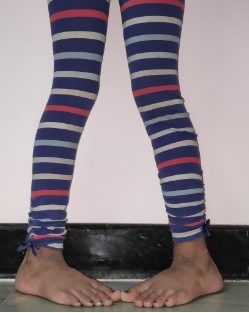
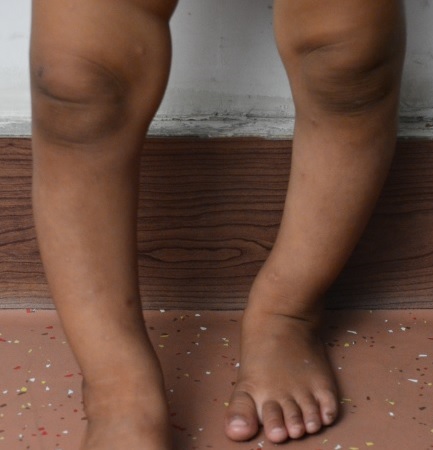
In children with bowed legs (genu varum), the knees curve outward and do not touch when the feet are placed together. Most infants are born with bowed legs, but parents usually notice the curve when their child starts walking around 12 months. Fortunately, these legs typically straighten on their own between 18 and 24 months.
This temporary, normal curve in infants is known as physiological bow legs.
Causes of Physiological Bow Legs
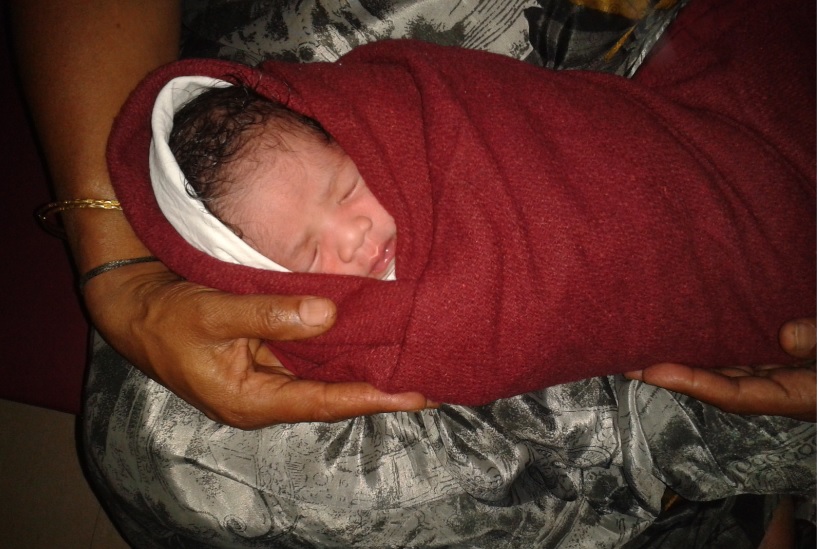
Bowed legs in newborns develop naturally due to the folded, cramped position of the fetus inside the uterus. The outward curve may appear to increase slightly until 18 months, after which the child's legs naturally straighten during growth.
Treatment for Physiological Bow Legs
Because physiological bow legs correct naturally over time, doctors do not recommend special shoes, braces, or physical exercises.
If you are concerned about your child’s leg shape, track their progress visually:
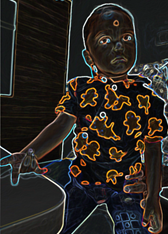
- Take a standing photo of your child every six months.
- Ensure your child stands facing directly forward with their knees clearly visible.
When to See a Pediatric Orthopaedic Surgeon (Red Flag Signs)
While most cases resolve independently, severe or persistent bowing requires a professional medical evaluation. Consult a pediatric orthopaedic surgeon if you observe any of these red flag signs:
- Severe Bowing: The leg curvature appears unusually steep or is worsening.
- Persistence Past Age 3: Bowed legs remain noticeable after your child turns three.
- One-Sided Bowing: Only one leg curves outward, while the other appears straight.
- Pain or Limping: Your child complains of knee, hip, or leg pain, or walks with a limp.
- Short Stature: Your child is unusually short for their age group.
What Happens During a Pediatric Orthopaedic Examination?
During an examination, a pediatric orthopaedic surgeon will evaluate your child through several steps:
- Medical History: Reviewing developmental milestones, daily nutrition habits, and any family history of skeletal conditions.
- Gait & Alignment Observation: Watching your child walk to detect any abnormal knee movement or lateral thrust.
- Physical Exam: Checking joint flexibility, ligament laxity, and limb rotation.
For most young toddlers, a thorough physical exam provides all the necessary answers. However, if red flag signs are present, the doctor may order standing X-rays (radiographs) or blood tests to check for underlying conditions like rickets or Blount's disease.
Conclusion
Bowed legs in infants under 18 months are completely normal and typically straighten by 24 months. However, bowed legs that persist after age three are considered pathological and require evaluation and treatment by a specialist.
Know more -
http://orthokids.org/Condition/Bowed-Legs-Knock-Knees
https://www.rch.org.au/uploadedFiles/Main/Content/ortho/factsheets/BOWLEGS.pdf
https://kidshealth.org/en/parents/bow-legs.html
https://www.ucsfbenioffchildrens.org/conditions/bow_legs_and_knock_knees/
https://www.columbiadoctors.org/condition/bowlegs-knock-knees-pediatric