Plaster Cast Care Essentials in children at home
The plaster cast is given to your child to treat an injury or after surgery to provide rest to the limb. Therefore the role of a plaster cast is to keep the arm/leg in a certain position and to protect the operated area while it heals. The most important and essential part of orthopaedic home management is cast care. Caring for a child's plaster cast properly at home is crucial to protect the injured limb, ensure proper bone healing, and prevent complications like skin infections or poor blood circulation.
Key Rules for Cast Care -
- Keep It Dry: Plaster casts usually take 24 to 48 hours to dry completely. Water will weaken or break down the plaster. During baths or showers, double-wrap the cast in a waterproof plastic bag sealed with tape or rubber bands. Never submerge the cast in water.
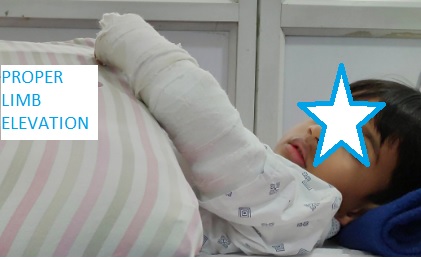
- Reduce Swelling: Keep the cast elevated above the level of the child's heart whenever they are sitting or lying down using pillows.
- Encourage Movement: Prompt your child to wiggle their fingers or toes frequently throughout the day to boost blood circulation and keep swelling down.
- Relieve Itching Safely: Itching under the cast is very common. Use a hairdryer set to the cool setting at the openings of the cast.
- Never insert objects (like pencils, rulers, or knitting needles) inside the cast, as they can tear the skin or cause infection.
- Avoid powders, lotions, or oils under or around the edges of the cast.
- Decorating: Decorating the cast with markers or ink pens is fine, but do not paint or apply oil-based materials, as this clogs the pores of the plaster and prevents air from reaching the skin.
Daily Checks & Warning Signs -
Check the skin around the edges of the cast every day for redness, irritation, or sores.
Contact your healthcare provider or visit an emergency clinic immediately if you notice any of the following-
Burning or raw sores developing around the cast edges.
Circulation & Nerve Problems:
Severe pain that does not improve with elevated positioning or recommended pain relief.
Fingers or toes turning pale, blue, cold, or unusually hot to the touch.
Numbness, tingling, or a "pins and needles" feeling in the digits.
The child is unable to move their fingers or toes.
Cast Damage:
The cast breaks, cracks, softens, or becomes wet.
The cast feels too tight or becomes noticeably loose and slips.
Signs of Infection:
Bad, foul-smelling odors coming from inside the cast.
Unexplained fever or chills
Key points to remember
Keep the plaster cast clean and dry.
Elevate the limb above the heart level.
Encourage the child to move the finger and toes.
More information
https://www.mayoclinic.org/healthy-lifestyle/childrens-health/in-depth/cast-care/art-20047159
https://www.texaschildrens.org/sites/default/files/Cast-Care.pdf