
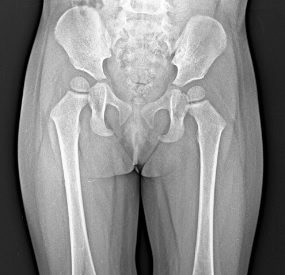
An Unpleasant Child and Unsettling Parents – ? Transient Synovitis of the Hip(Irritable Hip)
While transient synovitis (irritable hip) can be distressing to witness as a parent, it is a self-limiting condition that typically resolves without long-term complications.
Understanding Transient Synovitis
- Cause & Onset: It often follows a recent viral illness (such as a cold, throat infection, or stomach flu). The body’s immune response causes temporary inflammation and fluid buildup inside the hip joint capsule.
- Common Age Range: Most frequently seen in children aged 3 to 10 years, with a higher incidence in boys.
- Key Symptoms: Sudden onset of limping, difficulty crawling or standing, or pain referred to the groin, front of the thigh, or knee. Children typically remain "non-toxic" (well-appearing overall, without severe systemic illness).
Home Care & Recovery Management
- Rest & Activity Restriction:
- Rest is the primary treatment. Keep your child off their feet as much as possible until pain improves.
- Avoid high-impact activities, running, jumping, sports, or rough play for at least 1–2 weeks, as returning to strenuous activity too quickly can trigger a temporary relapse.
- Pain Management:
- Non-steroidal anti-inflammatory drugs (NSAIDs) like ibuprofen or mild analgesics like acetaminophen help relieve joint inflammation and ease movement discomfort. Always consult a pediatrician for exact dosages based on your child's weight.
- Comfort Measures:
- Gentle heat from a warm compress applied to the hip area or a warm bath can help relax surrounding muscle spasms.
Red Flag Symptoms - Visit Your Pediatric Orthopedic Surgeon Immediately
Because transient synovitis shares symptoms with more critical conditions—such as septic arthritis (a severe bacterial joint infection requiring urgent drainage and antibiotics) or Legg-Calvé-Perthes disease—seek immediate medical attention if you notice:
- Fever: High-grade or persistent fever.
- Severe Mobility Refusal: The child completely refuses to bear weight, move the leg, or allows no touching or movement of the limb even while resting.
- Unrelieved Pain: Pain at rest or severe pain that does not respond to recommended doses of analgesics/NSAIDs.
- Lack of Progress: No noticeable improvement after 3 days, or symptoms that have not completely resolved within 2 weeks.
- Systemic Illness: The child appears visibly unwell, lethargic, or toxic.
Key points to settle the parent’s concern
Transient synovitis of the hip is the mild condition and will get better on its own. However, a vigilant watch is needed to avoid the unwanted.
Know more –
http://bengalurukidsortho.in/health-info/transient-synovitis-of-the-hip-or-irritable-
hip/https://www.rch.org.au/kidsinfo/fact_sheets/Transient_synovitis/
https://posna.org/Physician-Education/Study-Guide/Transient-Synovitis-of-the-Hip