Baby Walker – A Boon or a Bane ?

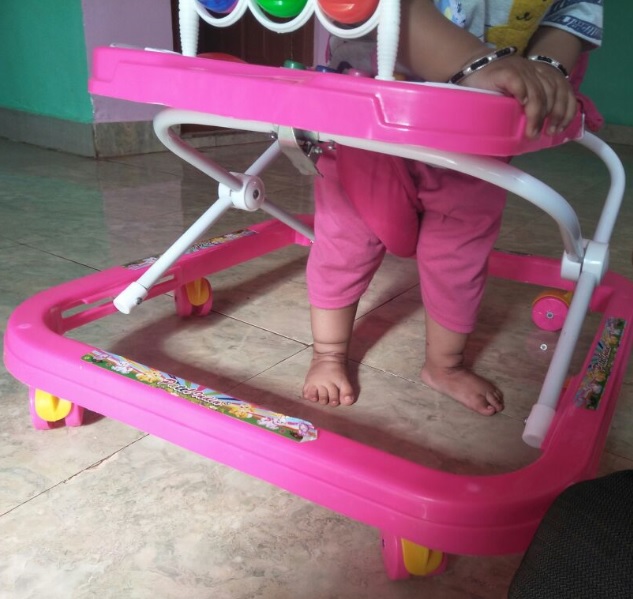
A baby walker consists of a wheeled base supporting a rigid frame, a fabric seat, and a plastic tray. Parents often use these devices for infants between 5 and 15 months of age to support mobility while feet touch the floor. However, medical experts urge caution when considering a baby walker for your child.

Why Parents Use a Baby Walker

Caregivers often choose a baby walker for several common reasons:

  • Entertainment: Keeping the infant occupied and entertained.
  • Mobility: Attempting to encourage movement and early walking.
  • Convenience: Holding the infant during feeding or providing quick exercise.
  • Perceived Safety: Operating under the mistaken belief that a walker keeps babies safe.

Common Baby Walker Injuries

Despite their popularity, mobile baby walkers pose severe safety risks. A baby walker allows a child to move faster than 3 feet per second, which makes adult supervision insufficient to prevent sudden accidents.

Frequent injuries include:

  • Stair Falls: Tipping or rolling down stairs causes severe head injuries and fractures.
  • Reaching Hazards: Increased height allows infants to reach hot liquids, electrical cords, and toxic household chemicals.
  • Tipping Over: Walkers easily trip over uneven surfaces, doorway thresholds, or small floor rugs.

How a Baby Walker Delays Motor Development

A baby walker does not help infants learn to walk faster. In fact, these devices actively delay physical milestones.

Walkers create a false sense of independent movement, which reduces a child’s natural motivation to crawl or pull themselves up. Additionally, a baby walker strengthens lower leg muscles incorrectly without developing the core balance and trunk stability required for natural walking.

AAP Guidance & Recommendations

Health organizations strongly advise against mobile infant walkers:

  • Follow AAP Advice: The American Academy of Pediatrics (AAP) recommends a full ban on manufacturing and selling mobile baby walkers with wheels.
  • Avoid Mobile Walkers: Do not use wheeled walkers at home, and advise babysitters, daycare centers, and grandparents to skip them.
  • Choose Safer Alternatives: Use stationary activity centers without wheels, or opt for push toys once your child can pull themselves up to stand.
  • Spread Parent Education: Share safety awareness with other caregivers regarding the risks of mobile walkers.

Conclusion

A mobile baby walker offers no developmental benefits and introduces major safety hazards. To support your child’s physical growth safely, skip the wheeled walker and focus on supervised floor play and stationary activity stations.
References –

https://pediatrics.aappublications.org/content/108/3/790

https://www.mayoclinic.org/healthy-lifestyle/infant-and-toddler-health/expert-answers/baby-walkers/faq-20058263

https://www.healthychildren.org/English/safety-prevention/at-home/Pages/Baby-Walkers-A-Dangerous-Choice.aspx

Bowed Legs in Children: Is It Normal?

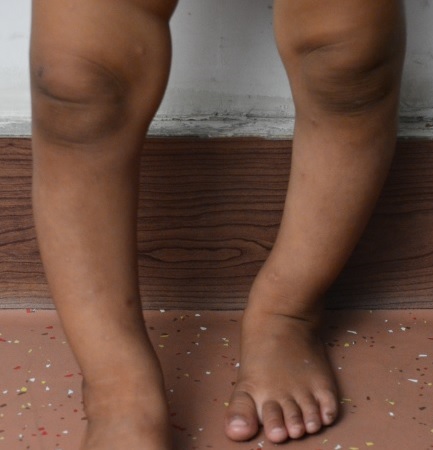
In children with bowed legs (genu varum), the knees curve outward and do not touch when the feet are placed together. Most infants are born with bowed legs, but parents usually notice the curve when their child starts walking around 12 months. Fortunately, these legs typically straighten on their own between 18 and 24 months.

This temporary, normal curve in infants is known as physiological bow legs.

Causes of Physiological Bow Legs

Bowed legs in newborns develop naturally due to the folded, cramped position of the fetus inside the uterus. The outward curve may appear to increase slightly until 18 months, after which the child’s legs naturally straighten during growth.

Treatment for Physiological Bow Legs

Because physiological bow legs correct naturally over time, doctors do not recommend special shoes, braces, or physical exercises.

If you are concerned about your child’s leg shape, track their progress visually:

  1. Take a standing photo of your child every six months.
  2. Ensure your child stands facing directly forward with their knees clearly visible.

When to See a Pediatric Orthopaedic Surgeon (Red Flag Signs)

While most cases resolve independently, severe or persistent bowing requires a professional medical evaluation. Consult a pediatric orthopaedic surgeon if you observe any of these red flag signs:

  • Severe Bowing: The leg curvature appears unusually steep or is worsening.
  • Persistence Past Age 3: Bowed legs remain noticeable after your child turns three.
  • One-Sided Bowing: Only one leg curves outward, while the other appears straight.
  • Pain or Limping: Your child complains of knee, hip, or leg pain, or walks with a limp.
  • Short Stature: Your child is unusually short for their age group.

What Happens During a Pediatric Orthopaedic Examination?

During an examination, a pediatric orthopaedic surgeon will evaluate your child through several steps:

  1. Medical History: Reviewing developmental milestones, daily nutrition habits, and any family history of skeletal conditions.
  2. Gait & Alignment Observation: Watching your child walk to detect any abnormal knee movement or lateral thrust.
  3. Physical Exam: Checking joint flexibility, ligament laxity, and limb rotation.

For most young toddlers, a thorough physical exam provides all the necessary answers. However, if red flag signs are present, the doctor may order standing X-rays (radiographs) or blood tests to check for underlying conditions like rickets or Blount’s disease.

Conclusion

Bowed legs in infants under 18 months are completely normal and typically straighten by 24 months. However, bowed legs that persist after age three are considered pathological and require evaluation and treatment by a specialist.

Know more –

http://orthokids.org/Condition/Bowed-Legs-Knock-Knees

https://www.rch.org.au/uploadedFiles/Main/Content/ortho/factsheets/BOWLEGS.pdf

https://kidshealth.org/en/parents/bow-legs.html

https://www.ucsfbenioffchildrens.org/conditions/bow_legs_and_knock_knees/

https://www.columbiadoctors.org/condition/bowlegs-knock-knees-pediatric

Backpack Safety for Kids: Tips to Prevent Back Pain and Injuries

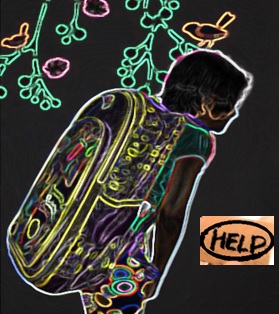
Backpacks are a practical and popular way for children and adolescents to carry school supplies. When worn correctly, backpacks effectively distribute weight across some of the body’s strongest muscles. However, carrying a backpack that is too heavy or worn improperly can lead to severe posture problems, shoulder strain, and chronic back pain in children.

Health Problems Caused by Heavy Backpacks

Carrying an overloaded or poorly fitted backpack can affect a child’s growing spine and posture in several ways:

  • Spinal Compression & Posture Issues: Placing a heavy pack on the shoulders pulls a child backward. To compensate, children often lean forward at the hips or arch their backs unnaturally, compressing the spine and causing neck, shoulder, and back pain.
  • Nerve Compression & Poor Circulation: Narrow or tight straps can dig deeply into the shoulders, interfering with circulation and pressing on nerves. This often leads to tingling, numbness, or weakness in the arms and hands.
  • Increased Risk of Falls: Oversized or bulky packs make it harder for children to maintain balance. Kids can easily trip, lose balance, or accidentally strike others when turning in tight spaces.

How to Choose a Safe Backpack for Your Child

Selecting the right backpack is the first step in protecting your child’s spine. Look for these essential features when shopping:

  • Proper Sizing: The backpack should match your child’s body size. An ideal pack is never wider than the child’s torso and should not hang more than 2 inches below the waistline.
  • Lightweight Material: Choose lightweight fabrics like nylon or canvas. Avoid heavy materials like leather, which add unnecessary weight before supplies are even packed.
  • Wide, Padded Shoulder Straps: Thick, padded straps distribute weight evenly across the shoulders without digging into the skin.
  • Padded Back Support: A padded back panel increases comfort and protects children from sharp edges like rulers, pencils, or hardbook corners inside the bag.
  • Multiple Compartments & Compression Straps: Extra pockets and side straps help distribute the load evenly throughout the bag and keep items secure.
  • Waist or Chest Straps: Using a waist strap transfers some of the load to the pelvis, holding the pack close to the body and reducing strain on the back.

Safe and Sensible Backpack Usage Tips

Buying the right bag is only half the battle—how your child uses it matters just as much. Teach your child these safe habits:

  1. Pack Light: A child’s loaded backpack should never weigh more than 10% to 15% of their total body weight.
  2. Use Both Straps: Always wear both shoulder straps rather than slinging the bag over one shoulder. Adjust the straps so the pack fits snugly against the back.
  3. Organize Smartly: Place the heaviest books and items low and closest to the center of the child’s back to keep the center of gravity stable.
  4. Carry Only Necessities: Encourage your child to leave unnecessary items at home or in their school locker.
  5. Lift with the Knees: When picking up a heavy backpack, children should bend at the knees rather than bending over at the waist.
  6. Strengthen Back Muscles: Encourage regular physical activity and back-strengthening exercises to build the core and back muscles needed to support daily school loads.

Conclusion

Backpack safety plays a critical role in preserving your child’s spinal health and posture. By picking a lightweight, properly fitted backpack and teaching smart packing habits, you can protect your child from unnecessary back pain and injury throughout the school year.

References

https://www.nsc.org/home-safety/safety-topics/child-safety/backpacks https://orthoinfo.aaos.org/en/staying-healthy/backpack-safety/ https://www.safety.com/backpack-safety https://kidshealth.org/en/parents/backpack.html?WT.ac=ctg

Can Improper Swaddling Increase the Risk of DDH?

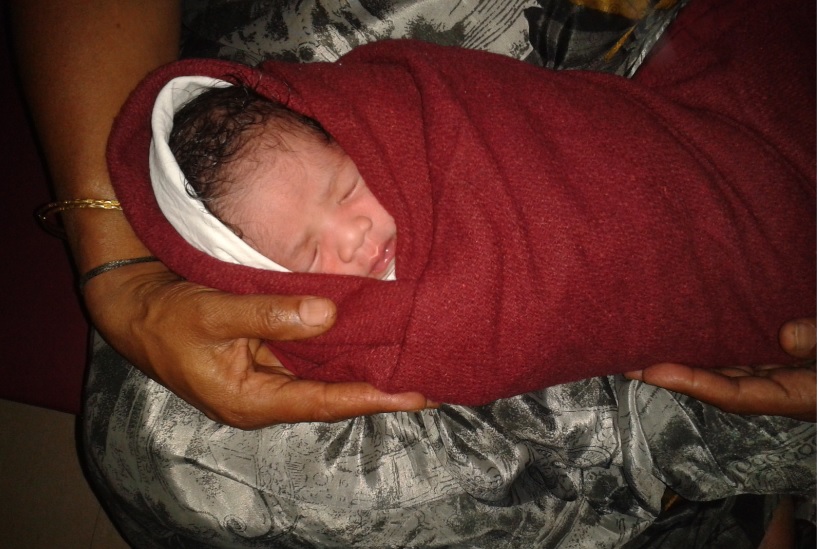
Wrapping or swaddling a newborn helps babies feel secure and comfortable, often easing them to sleep and establishing regular sleep routines. However, improper swaddling—such as wrapping a baby tightly with their legs straight down—can hinder normal hip joint development. In fact, tight swaddling significantly increases the risk of Developmental Dysplasia of the Hip (DDH).

The Link Between Swaddling and Hip Dysplasia

In the womb, a baby’s hips naturally rest in a bent, outward position. This position supports normal hip socket development. Although many newborns have loose hip ligaments that tighten naturally during the first few months, tight swaddling forces the legs together and straight. This unnatural posture can pull the hip joint out of its socket, causing instability or dislocation.

Medical research strongly supports hip-healthy swaddling practices:

  • Increased DDH Risk: A systematic review by Van Sleuwen et al. showed that hip dysplasia is far more prevalent when an infant’s legs are bound tightly without freedom of movement.
  • Impact of Awareness: Yamamuro et al. observed a dramatic drop in DDH incidence—from 1.5–3.5% down to 0.2%—after national public health programs eliminated tight, straight-leg swaddling.
  • Cultural Evidence: Cultures that carry infants in a wide-straddle or jockey position report remarkably low rates of hip dislocation compared to communities that wrap infants tightly with legs extended.

Because hip joints grow rapidly after birth, practicing safe swaddling techniques is critical during the first three months of life.

Safe Swaddling Guidelines for Healthy Hips

You can use traditional wrapping techniques like the diamond method, the square method, or a swaddle pouch, provided the lower body remains loose. Always ensure your baby has enough room to flex and kick their legs freely.

Official Medical Guidelines

The International Hip Dysplasia Institute and the Pediatric Orthopaedic Society of North America (POSNA) issue the following joint recommendation:

“Infant hips should be positioned in slight flexion and abduction during swaddling. The knees should also be maintained in slight flexion. Additional free movement in the direction of hip flexion and abduction may have some benefit. Avoidance of forced or sustained passive hip extension and adduction in the first few months of life is essential for proper hip development.”

Conclusion

Swaddling can comfort your infant, but keeping their hips safe requires proper technique. When swaddling your baby, always leave enough room for their legs to bend up and out naturally. Giving your newborn freedom of movement protects their hip joints and supports healthy physical development.

Know more –

http://bengalurukidsortho.in/health-info/developmental-dysplasia-of-hip/

https://www.rch.org.au/uploadedFiles/Main/Content/kidsinfo/safe-wrapping-for-hip-dysplasia.pdf

https://www.aaos.org/uploadedFiles/PreProduction/About/Opinion_Statements/position/1186%20Swaddling%20and%20Developmental%20Hip%20Dysplasia(1).pdf